बिजली चोरी पर जेल? धारा 135 में असल में क्या लिखा हैElectricity Theft: Is Jail Real? What Section 135 Actually Says
नमस्ते चौपाल वालों! आज का सवाल सीधा है: बिजली चोरी करो तो जेल होती है, या सिर्फ़ जुर्माना देकर छूट जाते हैं? मोहल्ले में हर दूसरा आदमी कहता है "अरे कुछ नहीं होता"। तो चलो, कानून की किताब खोलकर देखते हैं कि उसमें असल में क्या लिखा है। मीटर भैया पक्का वादा करता है: सिर्फ़ जानकारी, कोई कानूनी सलाह नहीं।
1. "चोरी" किसे कहते हैं? (सिर्फ़ कटिया नहीं!)
इलेक्ट्रिसिटी एक्ट 2003 की धारा 135 में चोरी की परिभाषा में ये सब आते हैं, जब काम बेईमानी से (dishonestly) किया जाए:
- लाइन या केबल से कटिया डालकर या कनेक्शन जोड़कर बिजली लेना।
- मीटर से छेड़छाड़ करना, या छेड़छाड़ किया हुआ मीटर इस्तेमाल करना।
- कोई ऐसा तरीका या डिवाइस लगाना जिससे मीटर सही रीडिंग न ले सके।
- मीटर या तार को इस तरह नुकसान पहुँचाना कि सही मीटरिंग रुक जाए।
- जिस काम के लिए कनेक्शन मिला है, उससे अलग काम में बिजली इस्तेमाल करना।
और एक बात: अगर आपके यहाँ बिजली लेने का कोई ऐसा अनधिकृत तरीका मिलता है, तो कानून पहले मान लेता है कि बेईमानी हुई है। सफ़ाई आपको देनी होगी कि आपने नहीं किया।
2. सज़ा कितनी? (ये सबसे ज़रूरी हिस्सा है)
- अधिकतम सज़ा: तीन साल तक की जेल, या जुर्माना, या दोनों।
- 10 kW तक का लोड: पहली बार दोषी पाए जाने पर जुर्माना कम से कम चोरी से हुए आर्थिक फ़ायदे का तीन गुना। दूसरी बार या उसके बाद कम से कम छह गुना।
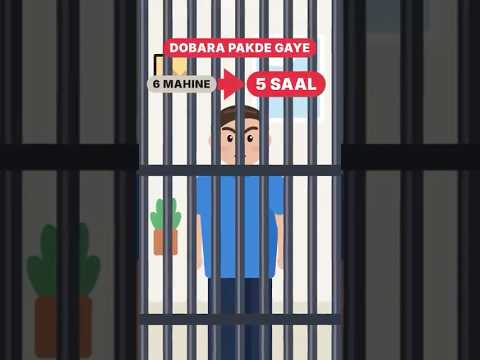
- 10 kW से ऊपर का लोड: पहली बार जुर्माना कम से कम तीन गुना। दूसरी बार या उसके बाद कम से कम छह महीने की जेल (पाँच साल तक बढ़ सकती है) और कम से कम छह गुना जुर्माना। साथ में तीन महीने से दो साल तक बिजली सप्लाई लेने पर रोक भी लग सकती है।
यानी "जुर्माना देकर छूट जाएँगे" वाली बात आधी सच है: जुर्माने की भी न्यूनतम सीमा है, और बड़े लोड पर दोबारा पकड़े गए तो जेल अनिवार्य है।
3. पकड़े गए तो उसी वक़्त क्या होता है?
- अधिकृत अधिकारी चोरी पकड़ने पर सप्लाई तुरंत काट सकता है।
- कटौती के 24 घंटे के अंदर अधिकारी को थाने में लिखित शिकायत देनी होती है।
- जब आकलन की गई रकम जमा हो जाए, तो 48 घंटे में सप्लाई बहाल करनी होती है। पर इससे आपराधिक शिकायत अपने आप ख़त्म नहीं होती।
- जाँच के दौरान आप या आपका प्रतिनिधि मौक़े पर मौजूद रह सकता है, और जब्त सामान की सूची बनती है जिस पर दस्तख़त होते हैं।
4. धारा 126 और धारा 135 में फ़र्क़ (लोग यहीं गड़बड़ाते हैं)
- धारा 135 (चोरी): आपराधिक मामला। बेईमानी साबित होनी चाहिए। जेल और जुर्माना।
- धारा 126 (अनधिकृत उपयोग): बिल वसूली का प्रशासनिक रास्ता। जैसे घरेलू कनेक्शन से दुकान चलाना या स्वीकृत भार से ज़्यादा लोड चलाना। इसमें टैरिफ के दोगुने के हिसाब से रकम का आकलन होता है।
- सुप्रीम कोर्ट ने (Southco बनाम Seetaram Rice Mill) दोनों को अलग माना है। हर चोरी अनधिकृत उपयोग भी है, पर हर अनधिकृत उपयोग चोरी नहीं।
5. सबसे बड़ा ख़तरा: सिर्फ़ जेल नहीं, करंट
कटिया लगाने वाले की सबसे बड़ी सज़ा कोई जज नहीं देता, नंगा तार देता है। हर साल कटिया और खुले तारों से करंट लगने की ख़बरें आती हैं। और जिस बच्चे या जानवर का पैर उस तार पर पड़ गया, उसका क्या कसूर?
6. ग़लती से कुछ गड़बड़ हो जाए तो?
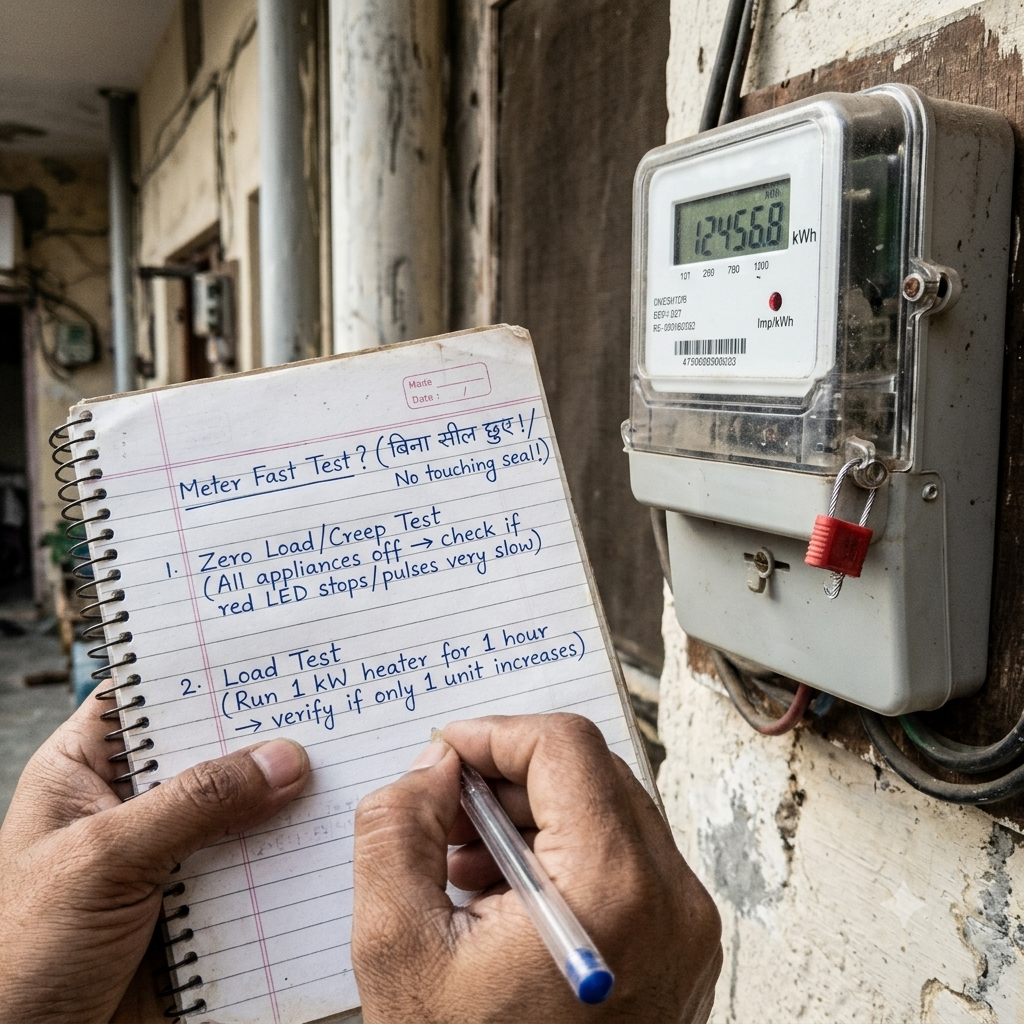
- मीटर की सील टूटी मिले, या डिस्प्ले में गड़बड़ दिखे, तो छुपाएँ नहीं। 1912 पर या उपखंड कार्यालय में बताएँ।
- अपने लोड के हिसाब से स्वीकृत भार बढ़वा लें। ज़्यादा लोड चलाना और चोरी, दोनों में फ़र्क़ है।
- बिजली चोरी की सूचना देना हो तो भी 1912 या नज़दीकी बिजली घर पर दे सकते हैं।
याद रखें: यह सिर्फ़ जानकारी है, कानूनी सलाह नहीं। हर मामला तथ्यों पर निर्भर करता है। किसी नोटिस, FIR या आकलन के मामले में वकील से सलाह लें। कानून और नियम बदल सकते हैं, इसलिए आधिकारिक पाठ और UPPCL से वर्तमान स्थिति जाँच लें।
Hello Chaupal! Today's question is simple: if you steal electricity, do you really go to jail, or do you just pay a fine and walk away? Everyone in the neighbourhood says "nothing happens". So let us open the law book and see what it actually says. Meter Bhaiya promises: information only, no legal advice.
1. What counts as "theft"? (Not just hooking a wire!)
Section 135 of the Electricity Act, 2003 covers all of these, when done dishonestly:
- Tapping a line or cable, or making a connection to it, to draw electricity.
- Tampering with a meter, or using a tampered meter.
- Using any device or method that stops the meter from recording correctly.
- Damaging a meter or wire so that accurate metering is interfered with.
- Using electricity for a purpose other than the one it was authorised for.
One more thing: if an unauthorised artificial means of drawing electricity is found at your premises, the law presumes dishonesty until you prove otherwise.
2. How much punishment? (The most important part)
- Maximum: imprisonment up to three years, or a fine, or both.
- Load up to 10 kW: on a first conviction the fine cannot be less than three times the financial gain from the theft. On a second or later conviction, not less than six times.
- Load above 10 kW: first conviction, fine of at least three times the gain. Second or later conviction, imprisonment of at least six months (up to five years) and a fine of at least six times the gain. The person can also be barred from getting supply for three months to two years.
So "I will just pay a fine" is only half true: the fine itself has a minimum, and for larger loads a repeat offence means mandatory jail.
3. What happens on the spot if you are caught?
- An authorised officer can disconnect the supply immediately on detecting theft.
- Within 24 hours of disconnection the officer must file a written complaint at the local police station.
- Once the assessed amount is deposited, supply must be restored within 48 hours. This does not automatically end the criminal complaint.
- During the search you or your representative can be present, and a list of seized items is prepared and signed.
4. Section 126 vs Section 135 (where people get confused)
- Section 135 (theft): criminal. Dishonesty must be proved. Jail and fine.
- Section 126 (unauthorised use): a revenue recovery route. For example running a shop on a domestic connection or exceeding the sanctioned load. The amount is assessed at twice the applicable tariff.
- The Supreme Court (Southco v. Seetaram Rice Mill) treats them as different. Every theft is also unauthorised use, but not every unauthorised use is theft.
5. The biggest risk is not jail, it is current
The harshest punishment for a hooked wire is not given by any judge, it is given by the bare wire. Every year there are reports of electrocution from hooked lines and exposed wires. And what about the child or animal that steps on it?
6. If something has gone wrong by mistake
- If you find the meter seal broken or the display faulty, do not hide it. Report it on 1912 or at your subdivision office.
- Get your sanctioned load increased to match your real load. Running a higher load and committing theft are different things.
- To report theft you can also call 1912 or visit the nearest electricity office.
Please note: this is information only, not legal advice. Every case depends on its facts. For any notice, FIR or assessment, consult a lawyer. Laws and rules can change, so check the official text and UPPCL for the current position.
Sources
- Electricity Act, 2003, Section 135 (Theft of Electricity) with 2007 amendment, text:
- https://future.indiankanoon.org/doc/90633360
- Section 135 provisos (fine 3x / 6x of financial gain, 10 kW limit, debarment), text:
- https://www.caseon.in/section/section-135-the-electricity-act-2003
- Section 126 (unauthorised use, civil assessment) vs Section 135 (theft, criminal), Supreme Court in Southco v. Seetaram Rice Mill, explained:
- https://www.casemine.com/in/column/re-examining-section-135-of-the-electricity-act,-2003:-substantive-scope,-procedural-nuances,-and-emerging-jurisprudence/view
- Nyaaya, Theft of Electricity (plain-language explainer):
- https://nyaaya.org/legal-explainer/theft-of-electricity/
- Helpline 1912 (24x7, toll free):
- https://www.uppcl.org