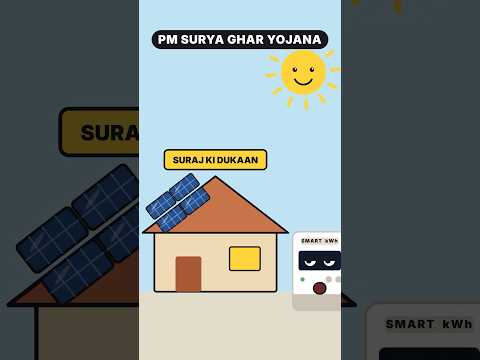
छत पर सूरज की दुकान: पीएम सूर्य घर योजना, सब्सिडी से लोन तकLet Your Roof Pay Your Bill: PM Surya Ghar Yojana (UP Guide)
नमस्ते दोस्तों, मैं मीटर भैया! पूरे मोहल्ले का बिजली-हिसाब मेरे पेट में दर्ज है, तो मुझे पता है कि हर महीने बिल देखकर दिल की धड़कन कैसे बढ़ती है। 😄 आज बात उस योजना की, जिसमें सरकार कहती है: "छत ख़ाली पड़ी है ना? चलो, उस पर सूरज से कमाई करवाते हैं!"
1. ये योजना है क्या? (दो लाइन में)
- नाम है पीएम सूर्य घर: मुफ़्त बिजली योजना। 13 फ़रवरी 2024 को ₹75,021 करोड़ के खर्च के साथ शुरू हुई।
- मक़सद: वित्त वर्ष 2026-27 तक एक करोड़ घरों की छत पर सोलर पैनल। PIB के मुताबिक 12 अगस्त 2026 तक 51.58 लाख घर इसमें शामिल हो चुके हैं। मतलब आपके मोहल्ले में भी कोई न कोई छत पर पैनल लगाकर घूम रहा होगा!
2. सबसे ज़रूरी सवाल: सरकार देती कितना है? 💰
- 1 किलोवाट: ₹30,000
- 2 किलोवाट: ₹60,000
- 3 किलोवाट या उससे ज़्यादा: ₹78,000
हिसाब सीधा है: पहले 2 किलोवाट पर ₹30,000 प्रति किलोवाट, तीसरे किलोवाट पर ₹18,000। और 3 किलोवाट के बाद सब्सिडी की टंकी फुल हो जाती है, 5 किलोवाट लगाओ तो भी ₹78,000 ही मिलेंगे। पैसा सीधे आपके बैंक खाते में आता है (DBT), बीच में कोई चाचा-मामा नहीं।
3. यूपी वालों के लिए डबल धमाका 🎉
UPNEDA के FAQ के मुताबिक उत्तर प्रदेश सरकार आवासीय उपभोक्ताओं को ₹15,000 प्रति किलोवाट देती है, ज़्यादा से ज़्यादा ₹30,000। यानी यूपी में:
- 1 किलोवाट: ₹45,000
- 2 किलोवाट: ₹90,000
- 3 किलोवाट: ₹1,08,000 तक
(ये जोड़ मैंने ख़ुद लगाया है, केंद्र + राज्य। राज्य वाली सब्सिडी की शर्तें और बजट बदल सकते हैं, तो आवेदन से पहले UPNEDA या अपने DISCOM से पक्का कर लेना।)
4. "भैया, एक साथ इतने पैसे कहाँ से लाऊँ?"
फ़िक्र नॉट! सरकारी बैंकों से बिना गारंटी का लोन मिलता है, 3 किलोवाट तक के सिस्टम के लिए। PIB (अगस्त 2026) के मुताबिक रियायती ब्याज दर रेपो रेट + 0.50%, यानी अभी 5.75%। दर आगे बदल सकती है, तो बैंक से ताज़ा दर ज़रूर पूछ लेना।
5. कौन अप्लाई कर सकता है?
- भारत का नागरिक हो
- अपना घर हो, जिसकी छत सोलर के लायक हो
- घर में DISCOM का वैध बिजली कनेक्शन हो
- पैनल योजना के नियमों के हिसाब से भारत में बने हों, और इंस्टॉलर पंजीकृत वेंडर हो
6. अप्लाई कैसे करें?
- सिर्फ़ और सिर्फ़ सरकारी पोर्टल pmsuryaghar.gov.in पर। नक़ली वेबसाइट से दूर रहना, वहाँ सूरज नहीं, ठग बैठे हैं! 😅
- पोर्टल पर राज्य और DISCOM चुनो, उपभोक्ता नंबर से रजिस्टर करो, फिर पंजीकृत वेंडर चुनो।
- PIB के मुताबिक 10 किलोवाट तक के रूफटॉप सोलर के लिए तकनीकी फ़ीज़िबिलिटी की शर्त हटाकर डीम्ड अप्रूवल की व्यवस्था है, और नेट मीटरिंग एग्रीमेंट आवेदन का ही हिस्सा है। यानी काग़ज़ी भागदौड़ पहले से कम।
- इंस्टॉलेशन और नेट मीटर लगने के बाद सिस्टम चालू होता है, फिर सब्सिडी आपके खाते में।
7. नेट मीटर का कमाल (हाँ, ये मेरा डिपार्टमेंट है) ⚡
सोचो आप दुकानदार हो और उधार-जमा दोनों खाते में लिखते हो, मैं बिल्कुल वही करता हूँ:
- दिन में सोलर से जो बिजली बनी, पहले आपके घर में काम आती है
- जो बच गई, वो ग्रिड में चली जाती है
- मैं, यानी नेट मीटर, आने वाली और जाने वाली, दोनों बिजली गिनता हूँ
- बिल नेट यूनिट पर बनता है, तो सोलर जितनी खपत संभाल लेगा, बिल उतना घटेगा
PIB के मुताबिक क़रीब 19 लाख घरों ने कुछ महीनों के लिए ज़ीरो बिल भी देखा है। लेकिन ज़ीरो बिल की गारंटी नहीं है, ये आपकी खपत और सिस्टम के साइज़ पर टिका है। मैं मीठी बातें करता हूँ, झूठे वादे नहीं! 🙂
8. लगवाने से पहले तीन बातें
- छत पर दिन भर धूप आनी चाहिए। पानी की टंकी, ऊँची दीवार या पेड़ की छाँव आए तो पैनल भी मुँह फुला लेते हैं और बिजली कम बनती है।
- सिस्टम का साइज़ अपनी औसत मासिक खपत देखकर चुनो, पड़ोसी की देखा-देखी नहीं।
- कोई भी पैसा देने से पहले पोर्टल पर वेंडर की जाँच कर लो।
याद रखना: योजना के नियम, सब्सिडी और ब्याज दरें बदल सकती हैं। आवेदन से पहले pmsuryaghar.gov.in और अपने DISCOM से ताज़ा स्थिति देख लेना। बाकी, बिल से डरने की नहीं, उसे समझने की ज़रूरत है, और समझाने के लिए आपका मीटर भैया हाज़िर है!
Hello friends, Meter Bhaiya here! I count the whole neighbourhood's electricity, so I know exactly how your heart rate jumps when the monthly bill arrives. 😄 Today: the scheme where the government says, "Is your roof just sitting there empty? Let's make the sun earn for you!"
1. What is this scheme? (two lines)
- It is PM Surya Ghar: Muft Bijli Yojana, launched on 13 February 2024 with an outlay of ₹75,021 crore.
- The goal is rooftop solar for one crore households by FY 2026-27. As per PIB, 51.58 lakh households were already on board as on 12 August 2026. Chances are someone in your lane already has panels and a smug smile.
2. The big question: how much does the government give? 💰
- 1 kW: ₹30,000
- 2 kW: ₹60,000
- 3 kW or more: ₹78,000
The maths is simple: ₹30,000 per kW for the first 2 kW and ₹18,000 for the third kW. After 3 kW the subsidy tank is full: put up 5 kW and you still get ₹78,000. The money lands straight in your bank account (DBT), with no uncle in the middle.
3. Uttar Pradesh gets a double bonus 🎉
As per the UPNEDA FAQ, the UP government gives residential consumers ₹15,000 per kW, up to a maximum of ₹30,000. So in UP:
- 1 kW: ₹45,000
- 2 kW: ₹90,000
- 3 kW: up to ₹1,08,000
(I added up central plus state myself. State subsidy conditions and budget can change, so confirm with UPNEDA or your DISCOM before applying.)
4. "Bhaiya, where do I get all that money at once?"
Relax! Public sector banks offer collateral-free loans for systems up to 3 kW. As per PIB (August 2026), the concessional rate is repo plus 0.50%, i.e. 5.75%. Rates can change, so ask your bank for the current one.
5. Who can apply?
- An Indian citizen
- Owns a house with a roof suitable for solar
- Has a valid DISCOM electricity connection
- Panels must be India-made as per scheme rules, and the installer should be a registered vendor
6. How to apply
- Only on the government portal, pmsuryaghar.gov.in. Stay away from fake websites; the only thing shining there is the scammer's grin. 😅
- Choose your state and DISCOM, register with your consumer number, then pick a registered vendor.
- As per PIB, for rooftop solar up to 10 kW the technical feasibility requirement is waived with deemed approval, and the net metering agreement is part of the application. Less paperwork running around.
- After installation and net meter fitting, the system is commissioned and the subsidy reaches your account.
7. The net meter magic (yes, this is my department) ⚡
Think of a shopkeeper who writes both credit and debit in his ledger. That is me:
- Solar power made during the day is used in your home first
- The surplus goes to the grid
- I, the net meter, count both the power coming in and the power going out
- Your bill is based on net units, so the more of your usage solar covers, the lower the bill
As per PIB, around 19 lakh households have seen a zero bill for some months. But a zero bill is not guaranteed; it depends on your consumption and system size. I like sweet talk, not false promises. 🙂
8. Three things before you install
- Your roof needs sunlight for most of the day. Shade from a water tank, a tall wall or a tree makes panels sulk and produce less.
- Choose the system size from your average monthly consumption, not by copying the neighbour.
- Verify the vendor on the portal before paying anything.
Please note: scheme rules, subsidy and interest rates can change. Check the current position on pmsuryaghar.gov.in and with your DISCOM before applying. And remember: you do not need to fear the bill, you just need to understand it. Your Meter Bhaiya is here for that!
Sources
- PIB, PM Surya Ghar crosses 50 lakh installations (4 Aug 2026):
- https://www.pib.gov.in/PressReleasePage.aspx?PRID=2294208®=48&lang=2
- PIB, Subsidy support and low-interest financing, Rajya Sabha reply (28 Jul 2026):
- https://www.pib.gov.in/PressReleasePage.aspx?PRID=2290407®=48&lang=1
- PIB, India's Energy Journey (figures as on 12 Aug 2026):
- https://www.pib.gov.in/PressReleasePage.aspx?PRID=2298869®=48&lang=1
- PIB, 10 lakh installations milestone (11 Mar 2025):
- https://www.pib.gov.in/PressReleseDetailm.aspx?PRID=2110283®=48&lang=2
- UPNEDA, Rooftop Solar FAQ (UP state subsidy):
- https://upneda.org.in/MediaGallery/Documents/FAQRooftop.pdf
- Official national portal:
- https://pmsuryaghar.gov.in