बिजली नहीं जलाई, फिर भी बिल क्यों आया? फिक्स्ड चार्ज की पूरी कहानीZero Units Used, Bill Still Came? The Fixed Charge Explained
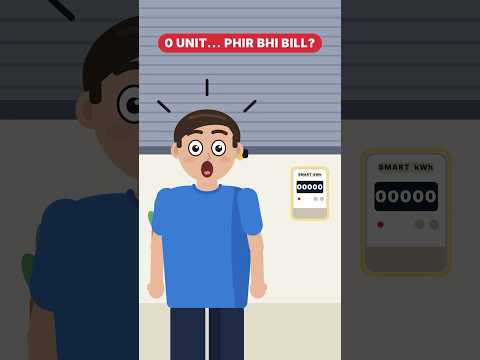
नमस्ते चौपाल वालों! सोचो, आप पूरे महीने के लिए ताला मारकर गाँव गए। न पंखा चला, न बल्ब जला, फ्रिज तक बंद। लौटकर आए तो बिजली का बिल हाथ में। "भैया, मैंने तो एक यूनिट भी नहीं जलाई, ये बिल किस बात का?" मीटर भैया हँसकर कहता है: बैठो, चाय पियो, आज इसी का हिसाब खोलते हैं। (सिर्फ़ जानकारी, कोई कानूनी सलाह नहीं, पक्का वादा।)
1. बिल की थाली में दो चीज़ें परोसी जाती हैं
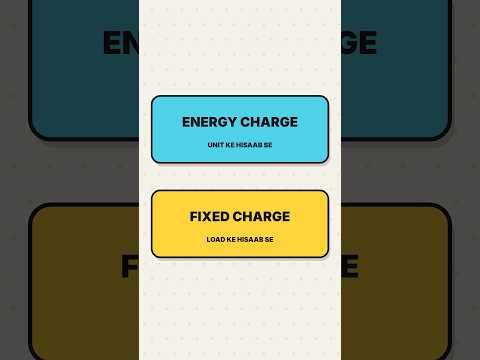
बिल कोई एक रकम नहीं है, इसमें दो हिस्से हैं:
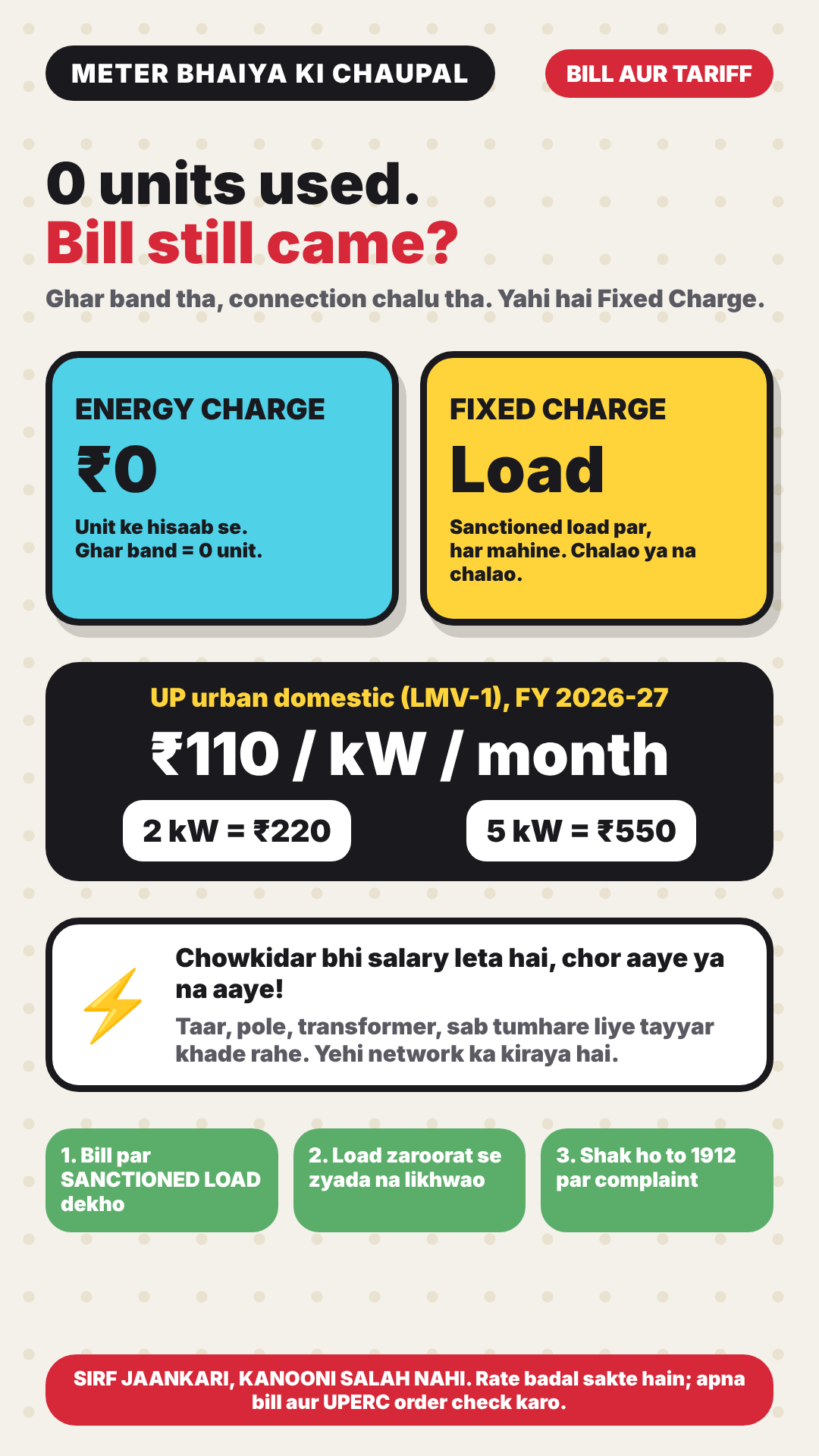
- एनर्जी चार्ज: जितनी यूनिट जलाई, उतना पैसा। घर बंद, तो यह शून्य।
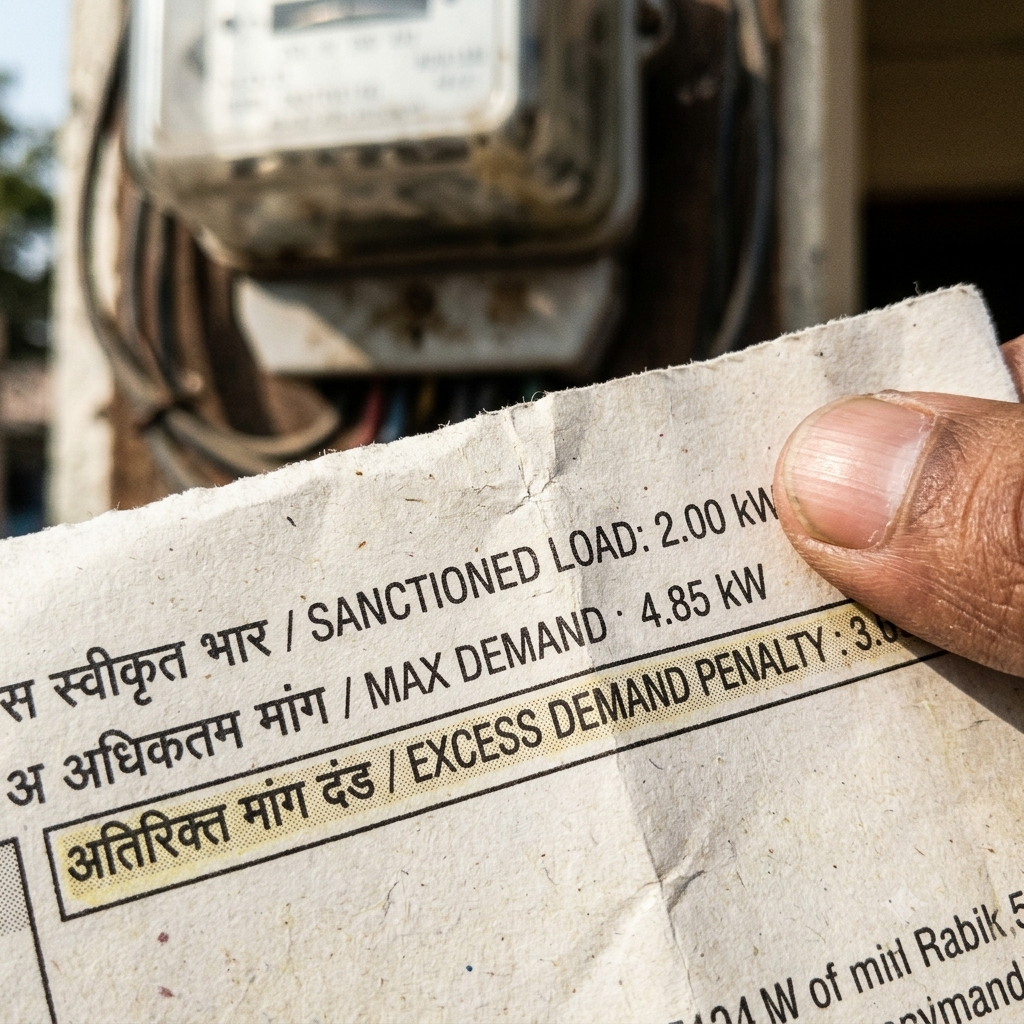
- फिक्स्ड चार्ज: आपके स्वीकृत लोड (sanctioned load) के हिसाब से हर महीने लगने वाला निश्चित शुल्क। बिजली जले या न जले, यह लगता है।
यानी "0 यूनिट" का मतलब "0 रुपये" नहीं होता। यूनिट का हिसाब एक तरफ़, लोड का किराया दूसरी तरफ़।
2. पर मैं तो बिजली ले ही नहीं रहा था, किराया किस बात का?
देखो, कनेक्शन चालू था। मतलब तार, पोल, ट्रांसफॉर्मर, मीटर, सब आपके लिए तैयार खड़े थे। आप चाहते तो रात के दो बजे भी स्विच दबाते और बल्ब जल जाता।
इसे ऐसे समझो: चौकीदार भी तो चोरी न होने पर सैलरी लेता है! उसका काम पहरा देना है, चोर आए या न आए। वैसे ही बिजली का पूरा नेटवर्क आपके लिए तैयार रखना ही एक सेवा है, और उसका ख़र्च फिक्स्ड चार्ज में आता है।
3. रेट कितना है? (गिनती वाला हिस्सा, कैलकुलेटर निकालो)
- उत्तर प्रदेश में वित्त वर्ष 2026-27 के लिए शहरी घरेलू (LMV-1) कनेक्शन का फिक्स्ड चार्ज ₹110 प्रति किलोवाट प्रति माह है (UPERC के टैरिफ़ आदेश के अनुसार)।
- 2 kW का स्वीकृत लोड: 2 × 110 = ₹220 प्रति माह।
- 5 kW का स्वीकृत लोड: 5 × 110 = ₹550 प्रति माह।
ध्यान दो: यह गिनती सिर्फ़ फिक्स्ड चार्ज की है। असली बिल में दूसरे चार्ज भी जुड़ सकते हैं, इसलिए यह पूरा बिल नहीं है।
4. ज़्यादा लोड लिखवाया, तो जेब ज़्यादा हल्की
फिक्स्ड चार्ज लोड से बँधा है। "कभी AC लगा लूँगा" सोचकर ज़रूरत से बड़ा लोड लिखवा लिया, तो AC लगे या न लगे, किराया हर महीने बड़े लोड का ही कटेगा। इसलिए:
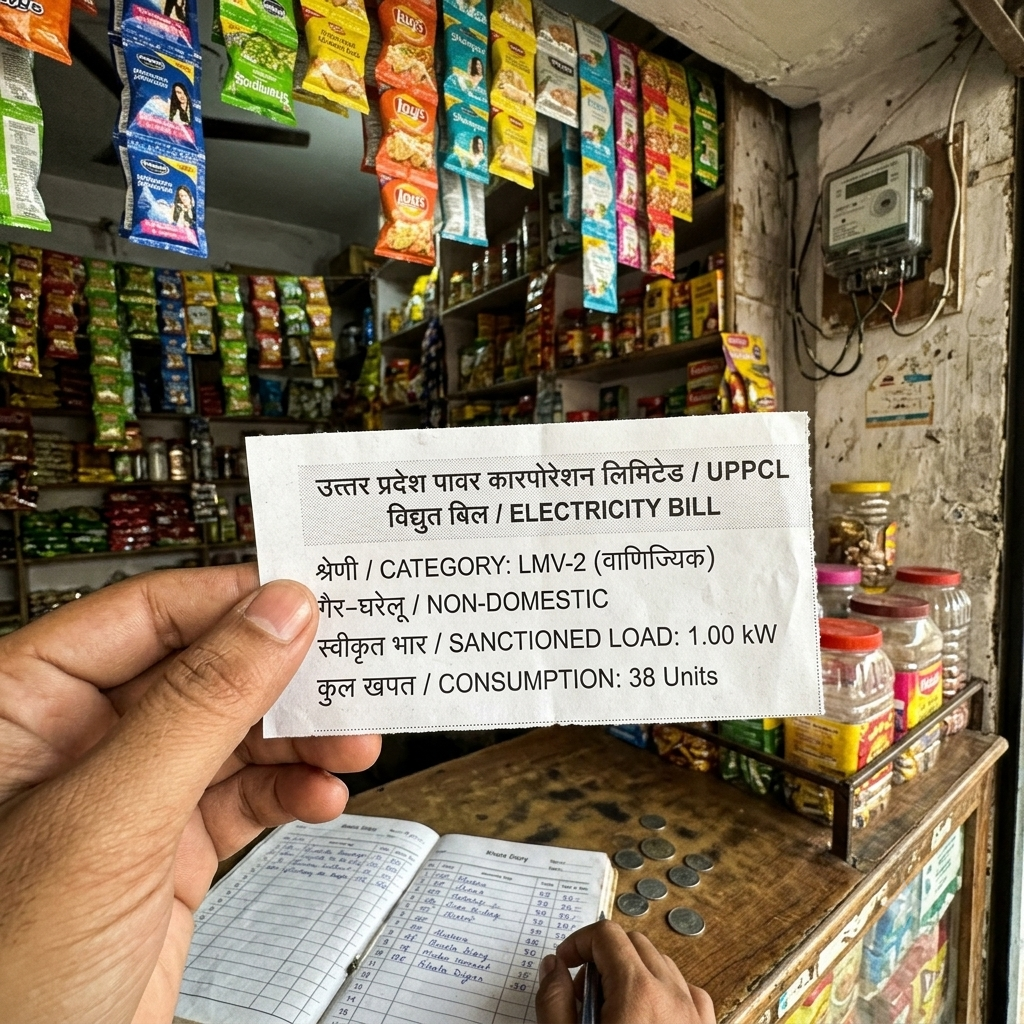
- अपना स्वीकृत लोड बिल पर देख लो।
- घर के असली उपकरण जोड़कर अंदाज़ा लगाओ कि लोड ठीक है या ज़रूरत से बहुत ज़्यादा।
- पर उलटी ग़लती भी मत करना: असली लोड से कम लिखवाकर ज़्यादा चलाया, तो अनधिकृत उपयोग का मामला बन सकता है। संतुलन रखो, और बदलाव के नियम अपने उपखंड कार्यालय से पूछ लो।
5. तो फिर ये बिजली का बिल है या नेटवर्क का किराया?
सीधी बात: बिल का एक हिस्सा बिजली की खपत का है, और दूसरा हिस्सा बिजली पहुँचाने वाले नेटवर्क को तैयार रखने का। घर बंद हो तो पहला हिस्सा शून्य होता है, दूसरा नहीं। और हाँ, बिल देखकर धरना देने से पहले यह भी देख लो कि किस मद में कितनी रकम लगी है।
6. बिल पर शक हो तो क्या करें?
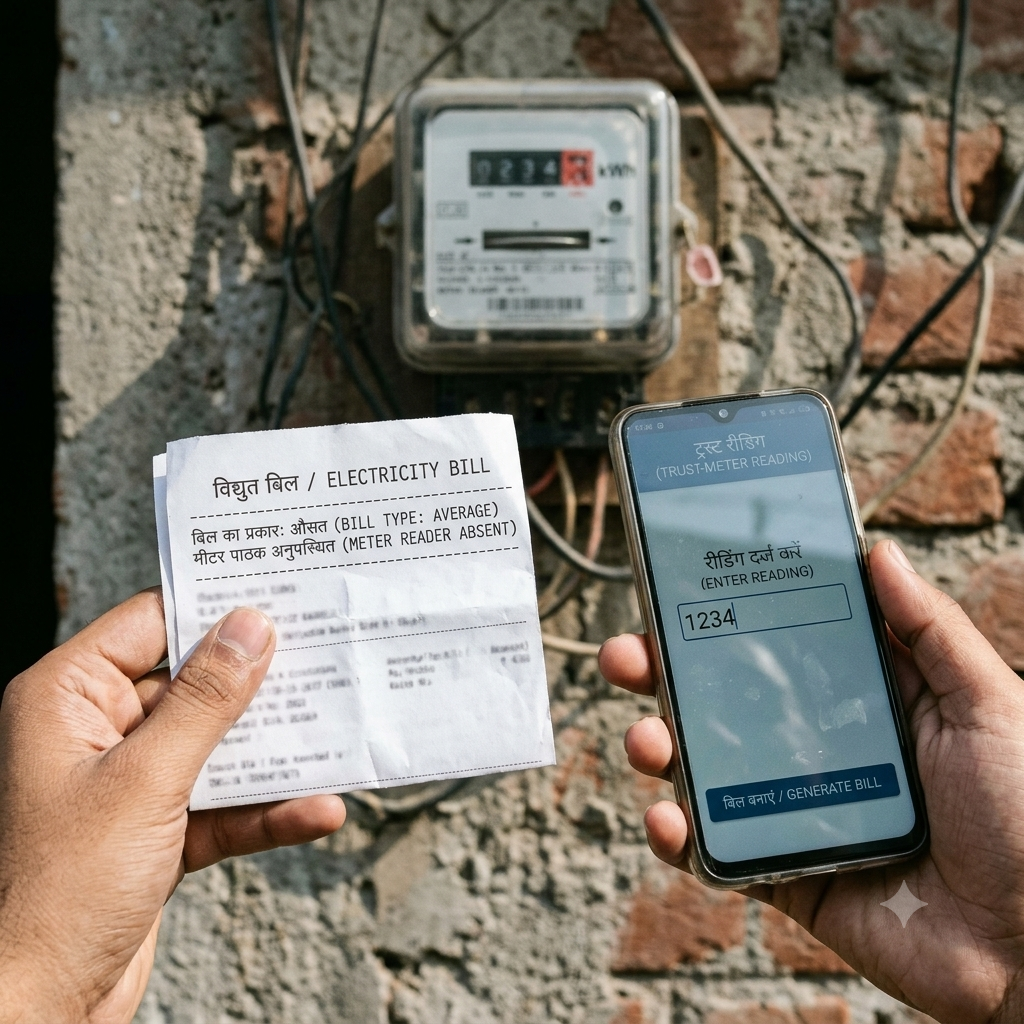
- बिल में स्वीकृत लोड, टैरिफ़ श्रेणी और रीडिंग तीनों जाँच लो।
- कुछ ग़लत लगे तो 1912 पर शिकायत दर्ज कराओ या अपने उपखंड कार्यालय में जाओ।
- शिकायत का नंबर संभालकर रखो।
याद रखें: यह सिर्फ़ जानकारी है, कानूनी सलाह नहीं। दरें और नियम हर साल या आदेश बदलने पर बदल सकते हैं, और अलग श्रेणी (जैसे ग्रामीण या व्यावसायिक) में दरें अलग होती हैं। इसलिए अपना बिल और UPERC/UPPCL का वर्तमान टैरिफ़ आदेश ज़रूर जाँच लें।
Hello Chaupal! Picture this: you locked up the house and went to the village for a whole month. No fan, no bulb, even the fridge was off. You come back and there is an electricity bill in your hand. "Bhaiya, I did not burn a single unit, what is this bill for?" Meter Bhaiya grins: sit down, have some tea, let us open this account. (Information only, no legal advice, promise.)
1. Your bill serves two dishes
The bill is not one lump sum. It has two parts:
- Energy charge: pay for the units you used. House closed, so this is zero.
- Fixed charge: a fixed monthly charge based on your sanctioned load. It applies whether you switch anything on or not.
So "0 units" does not mean "Rs 0". Units are one side of the ledger, the cost of keeping your load ready is the other.
2. But I was not even using electricity, so what am I paying for?
The connection was live. The wire, pole, transformer and meter were all standing ready for you. If you had pressed a switch at 2 a.m., the bulb would have lit.
Think of it like this: even a watchman takes his salary on a night when no thief shows up! His job is to stand guard, thief or no thief. Keeping the whole network ready for you is the service, and its cost shows up in the fixed charge.
3. What is the rate? (Calculator time)
- In Uttar Pradesh for FY 2026-27, the fixed charge for an urban domestic (LMV-1) connection is Rs 110 per kW per month (as per the UPERC tariff order).
- 2 kW sanctioned load: 2 × 110 = Rs 220 per month.
- 5 kW sanctioned load: 5 × 110 = Rs 550 per month.
Note: this is only the fixed charge. A real bill can carry other charges too, so this is not the whole bill.
4. Declare too much load and your wallet gets lighter
The fixed charge is tied to load. If you declared a big load thinking "I might add an AC someday", the big-load rent is charged every month whether the AC arrives or not. So:
- Check the sanctioned load printed on your bill.
- Add up your real appliances to see whether the load is sensible or far too high.
- Do not make the opposite mistake either: declaring less than you really use can turn into an unauthorised-use case. Keep it balanced, and ask your subdivision office about the process for changes.
5. So is it an electricity bill or network rent?
Plain answer: one part of the bill pays for the electricity you consume, the other pays to keep the network ready to deliver it. With the house shut, the first part is zero, the second is not. And before you stage a dharna over the bill, check which line item the money went to.
6. If you doubt your bill
- Check three things on the bill: sanctioned load, tariff category and meter reading.
- If something looks wrong, file a complaint on 1912 or visit your subdivision office.
- Keep the complaint number safe.
Please note: this is information only, not legal advice. Rates and rules can change when a new order comes, and other categories (rural, commercial, etc.) have different rates. Please check your own bill and the current UPERC/UPPCL tariff order.
Sources
- UPERC Tariff Order for FY 2026-27 (dated 02.07.2026): UP urban domestic (LMV-1) fixed charge Rs 110 per kW per month. Figure cross-checked on secondary sources; please verify once against the original order PDF before publishing.
- Rs 220 (2 kW) and Rs 550 (5 kW) are simple multiplication of the above rate, shown as examples
- Helpline 1912 (24x7, toll free):
- https://www.uppcl.org